
This section provides a methodology to run a step-by-step open innovation process that helps actors within the university ecosystem identify concrete challenges based on an overarching topic.
The process engages participants from the quadruple helix—academia, industry, government, and civil society—bringing diverse perspectives together to align around a shared challenge.
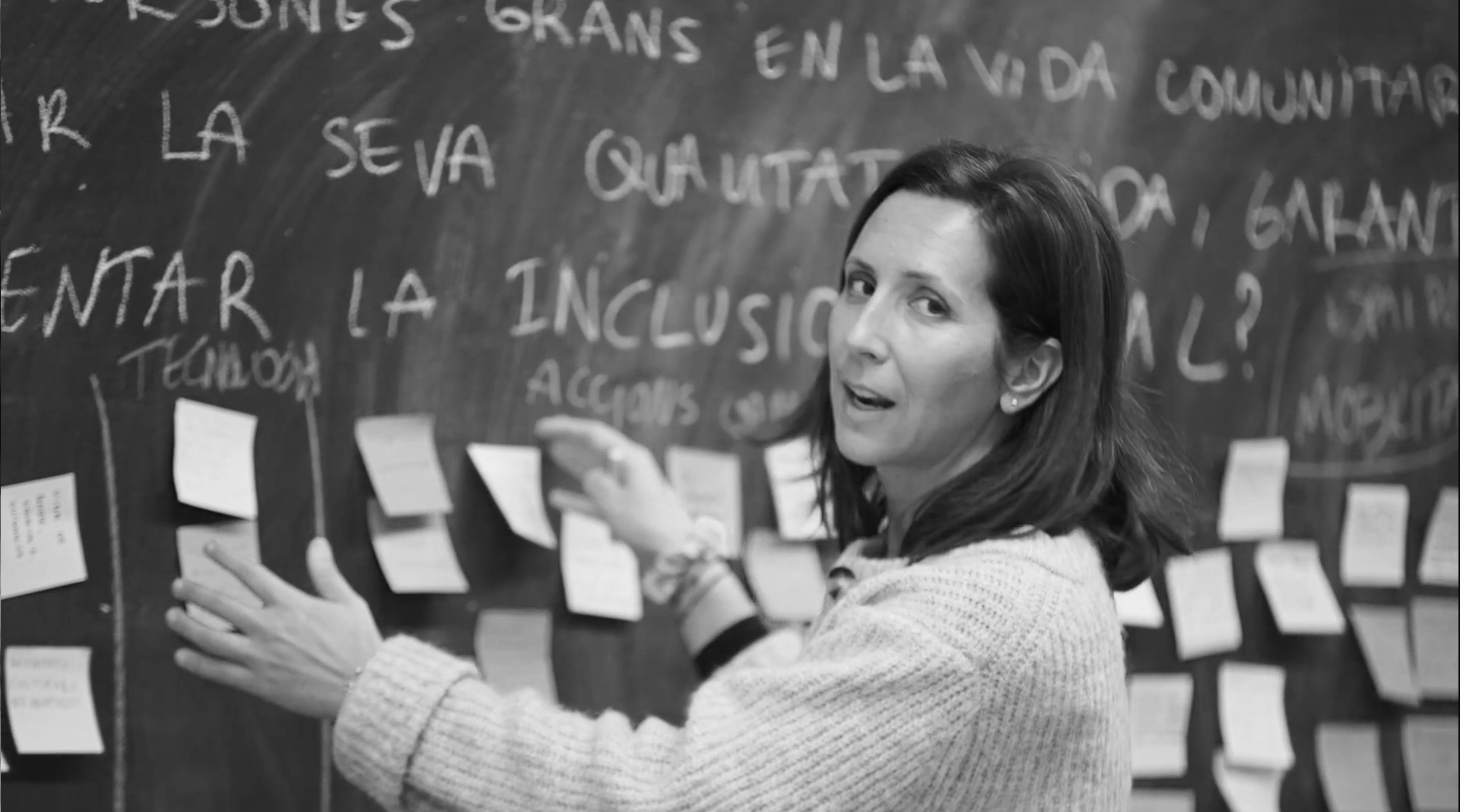

How to identify a challenge?
Objectives

Identify ecosystem-driven challenges: Define specific, real-world challenges that emerge from the needs and priorities of the university ecosystem and its stakeholders.

Foster multi-stakeholder collaboration: Bring together participants from academia, industry, government, and civil society to co-create a shared understanding of the challenge.

Build a foundation for research and innovation: Translate stakeholder insights into well-defined problems that can guide future research projects, pilots, or innovation initiatives.

Promote inclusive and participatory innovation: Create a safe, creative environment that encourages diverse voices, mutual learning, and joint decision-making throughout the process.
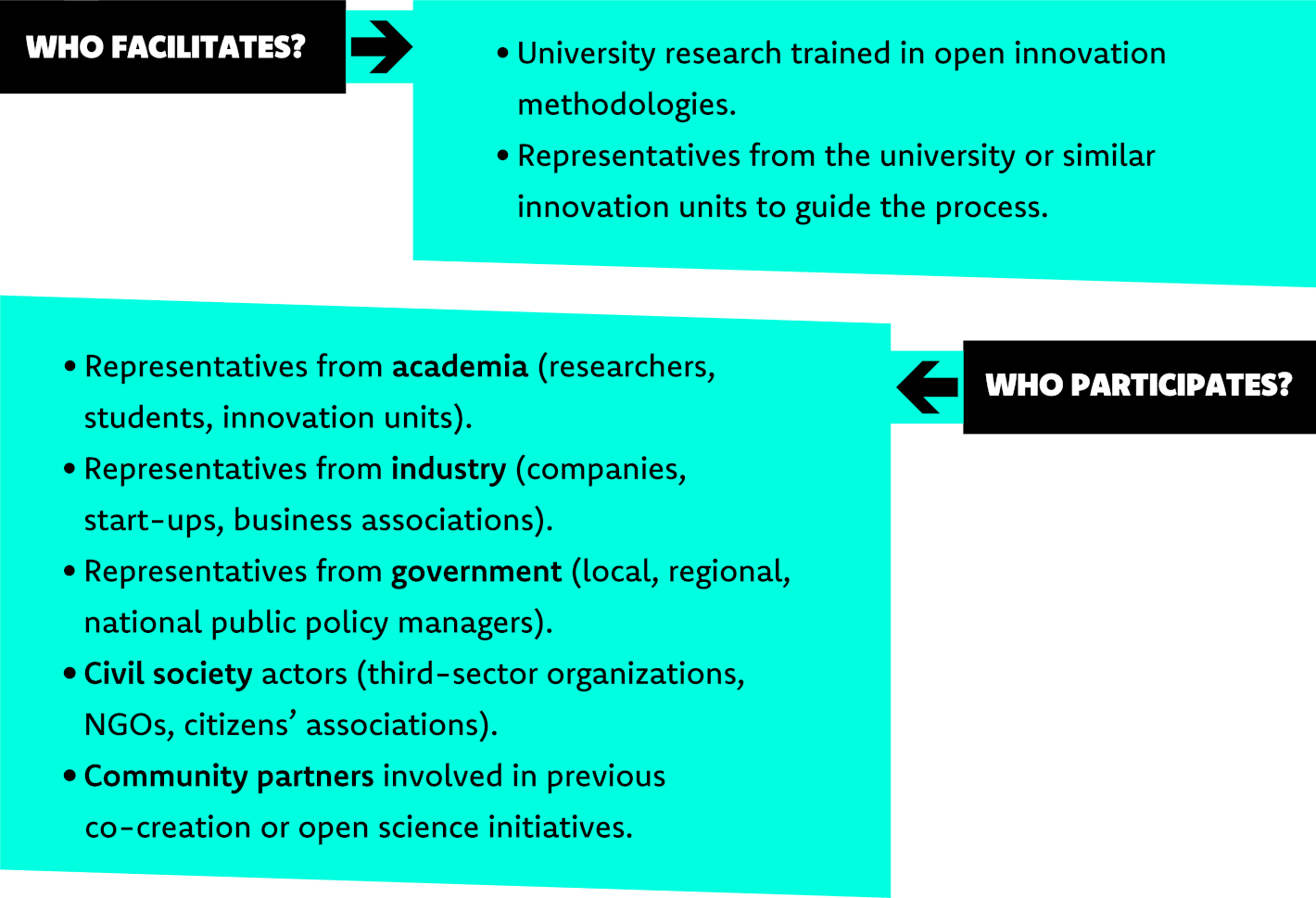
Actors involved
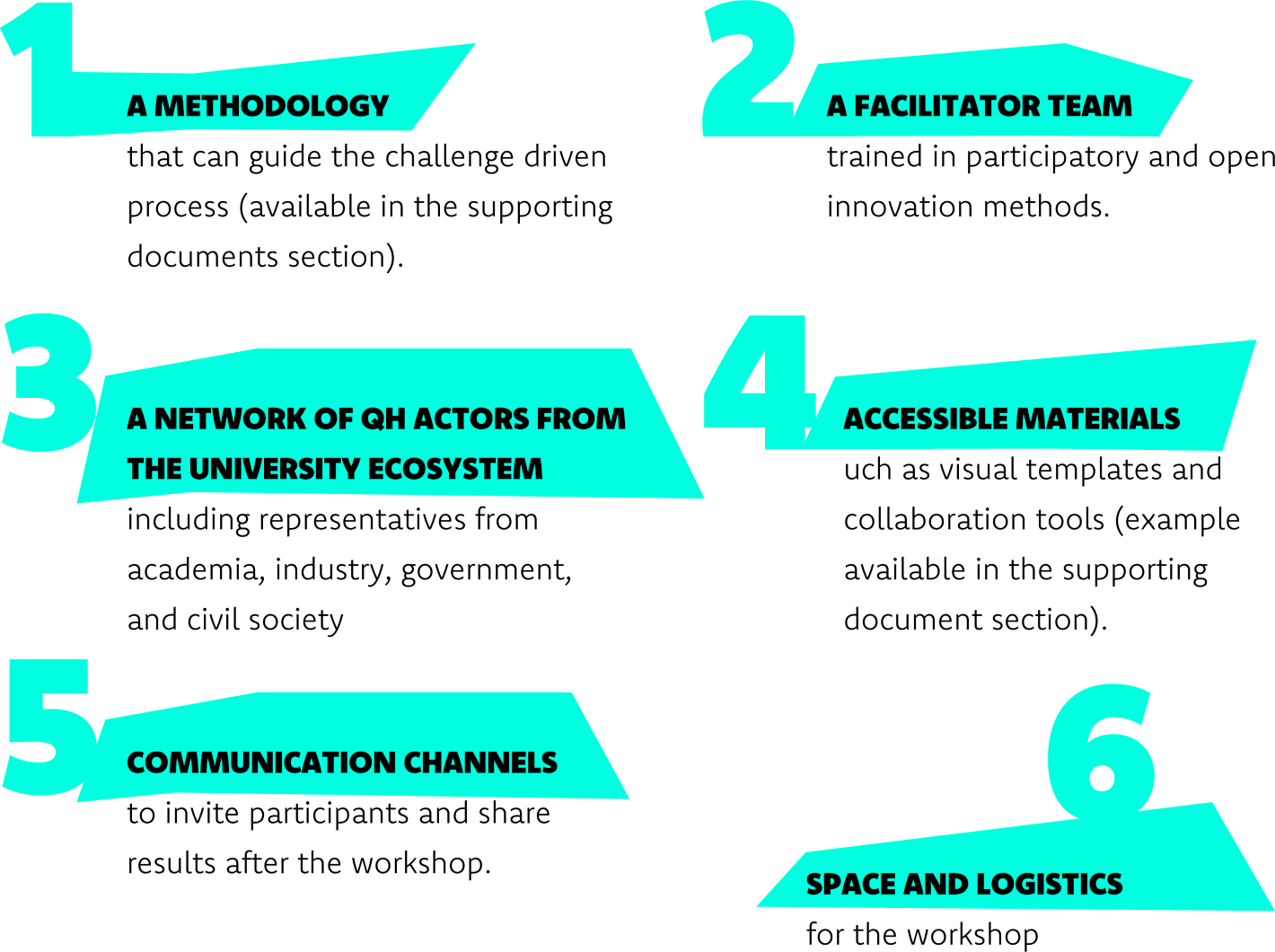
Checklist - What do you need to implement the resources?



AUTHORS
Design, illustrations and videos: WeDo Project Intelligence Made Easy S.L.

Academic staff:
Teachers and researchers at a university